

The Green Conversations: Green Webinar Series 2025
The Green Continuum: Plastic Edition
This September, the Eleven Eleven Twelve Foundation (EETF) proudly hosted the Green Webinar
Series 2025, themed “The Plastic Volution: Habits, Systems & Effects.” For four consecutive weeks, experts, young professionals, and change-makers gathered virtually to dissect the urgent issue of plastic pollution. More than just presentations, the series sparked critical reflection, practical learning, and a vision of solutions tailored for Africa.
What We Explored
-
Week 1: The Plastic We Don’t See – Understanding Microplastics and Everyday Exposure
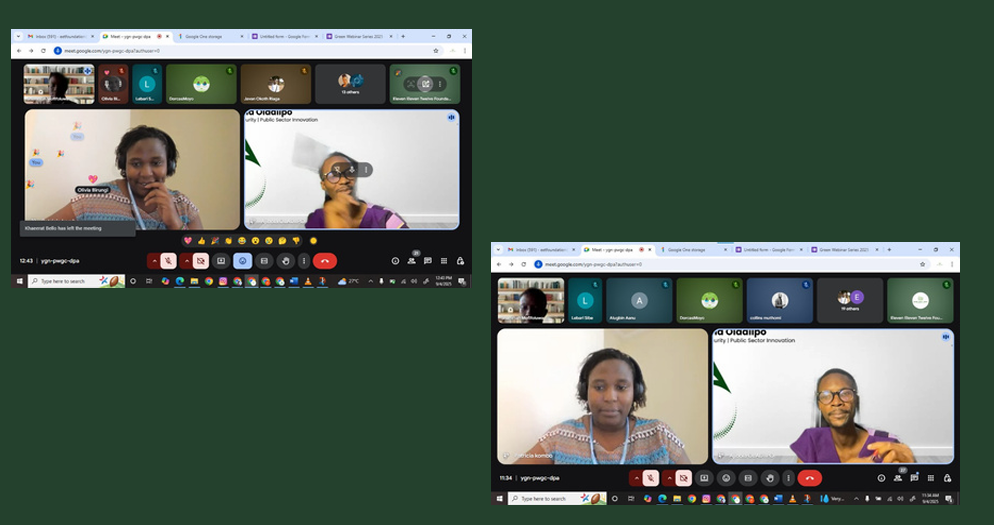
With Ajibola Oladiipo and Patricia Kombo, participants were guided into the invisible yet dangerous world of microplastics. These tiny fragments (smaller than a grain of rice) were shown to be everywhere: in our drinking water, in the air we breathe, even in the food we eat.
Key lessons included:
- Microplastics are not just a “global North” issue; they are present in African environments too.
- Everyday activities, like brushing our teeth, wearing polyester clothing, or using cosmetics, can unknowingly expose us.
- Microplastics can lodge in human tissues, raising risks for health issues like infertility, respiratory problems, and even cancer.
- Local research is still lacking in Africa, meaning much of what we know comes from abroad; underscoring the need for African-led studies.
The big takeaway? What we don’tsee can harm us most. Participants left more conscious about their plastic use and the urgency of reducing invisiblepollutants
-
Week 2: The Alternative? – Exploring Eco-friendly Substitutes for Daily Use
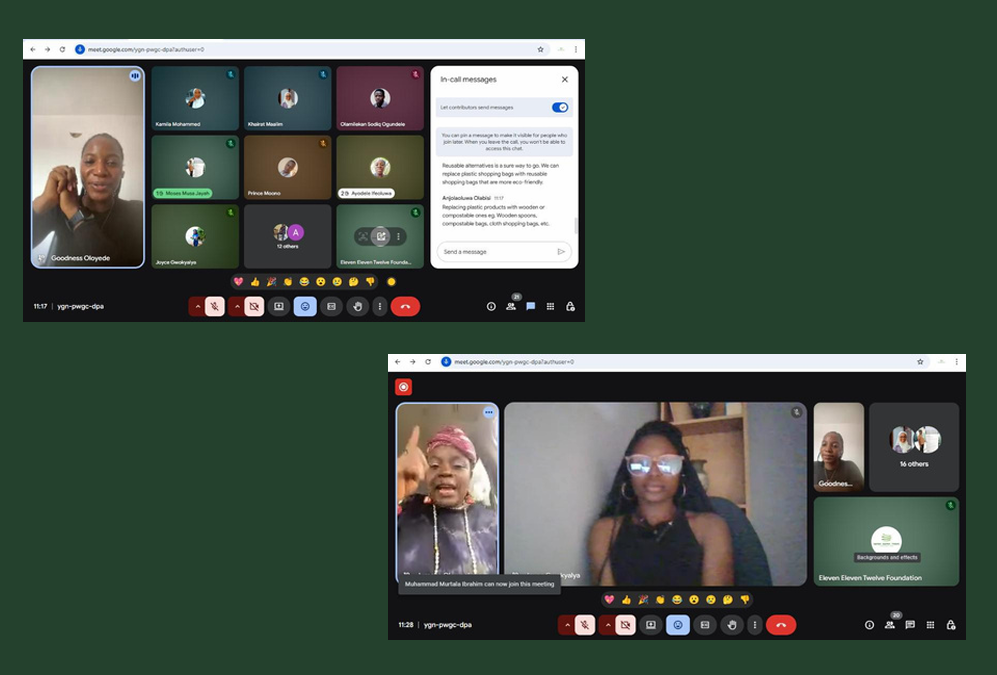
Our speakers, Jumoke Olowookere and Joyce Gwokyalya, showed that going green is not about giving up comfort, but about making smarter swaps. They broke down the myth that sustainable living is “too expensive” and reminded us of the power of local innovation.
Key lessons included:
- The “5Rs + U” principle (Reduce, Reuse, Refuse, Repair, Recycle, Upcycle) is a lifestyle guide.
- Everyday swaps: reusable bottles instead of plastic water, cloth bags
instead of nylon, upcycled furniture instead of disposable ones. - Traditional African practices (like wrapping food in banana leaves, using clay pots, or raffia baskets) are sustainable models we can revive today.
- Youth can lead by example on campuses through small but consistent eco-friendly habits.
Participants realised that eco-friendly choices don’t always cost more; they often save money in the long run. Sustainability starts from everyday decisions, not from waiting on “big changes.”
-
Week 3: Power in Packaging – Innovation and Brand Responsibility in the Fight Against Waste
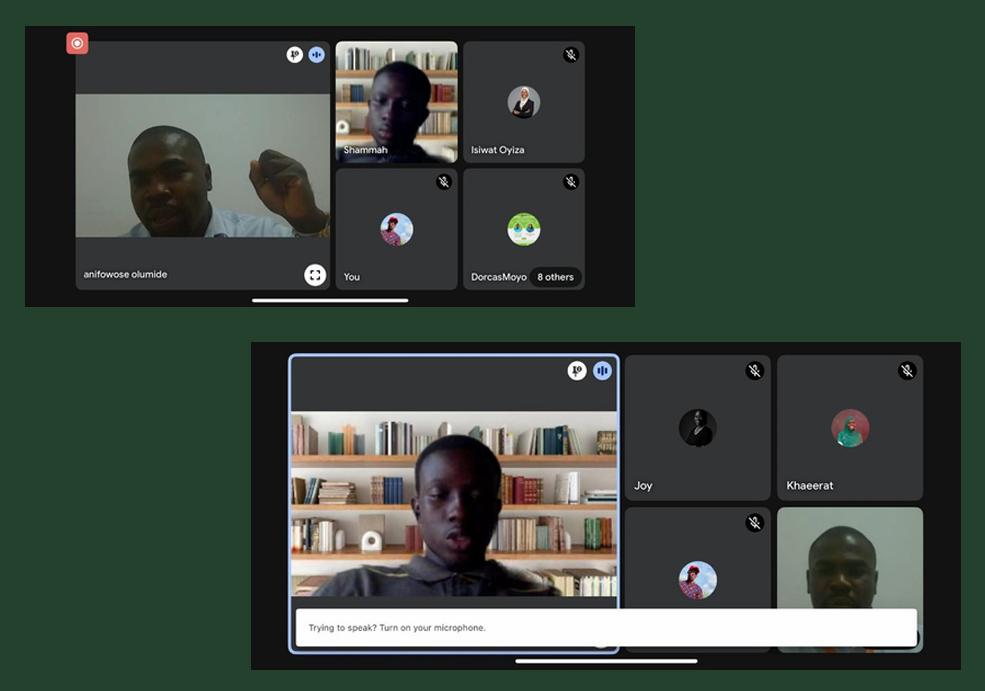
This session, led by Olumide Anifowose (Plant Manager, CWAY Group), shifted the focus from individuals to businesses and brands. Packaging is often dismissed as “just the wrapper,” but as Olumide highlighted: “Packaging is the cause of harm, and it’s still the solution to the harm.”
Key lessons included:
- CWAY’s refill system demonstrates how companies can balance profitability, customer satisfaction, and environmental impact.
- Sustainable packaging isn’t just about “material choice”; it’s about the entire cycle, from product planning and production to delivery and disposal.
- Brands must move beyond recycling campaigns to real accountability for the waste they generate.
- African businesses face the challenge of affordability and accessibility, but innovation (such as refills and reusable systems) can work even in low-income markets.
- Consumers are increasingly aware, but convenience often trumps sustainability; brands need to educate and influence behaviour.
Participants left seeing packaging not just as waste, but as a critical point of
intervention in solving Africa’s plastic crisis.
-
Week 4: Policy, People, Pollution& Profit – Whose Job Is It, Really?
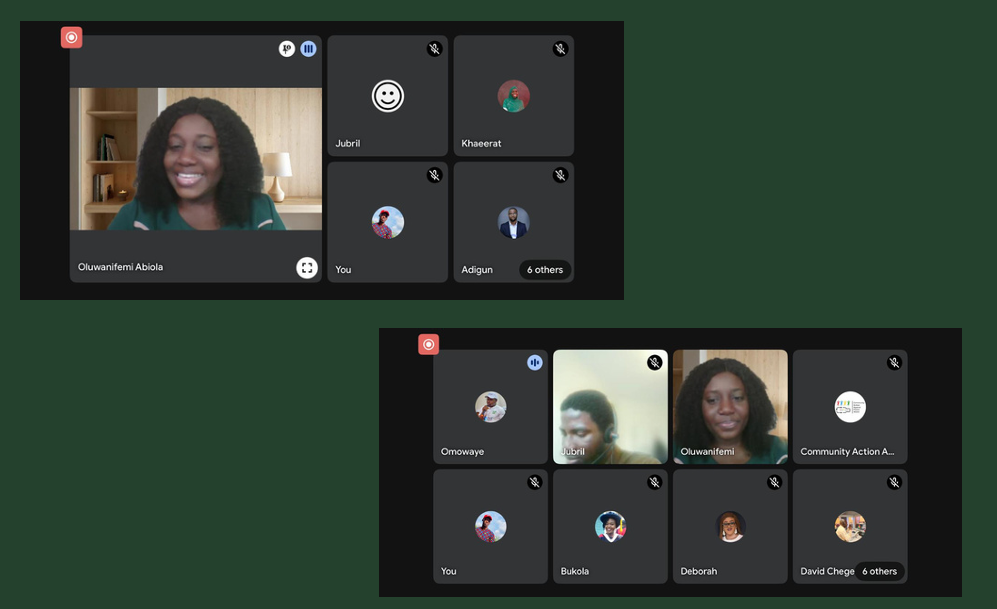
The series concluded with a powerful dialogue featuring Jubril Adigun (Operations Director, CAPws) and Omowaye Pelumi (representing Ecocykle). This session zoomed out to examine systems of accountability : government, private sector, and the people.
Key lessons included:
- Policies without enforcement are as ineffective as no policies at all.
- Extended Producer Responsibility (EPR) is promising for Africa, but requires political will and strong monitoring.
- Waste is not just an environmental problem; it is linked to poverty, unemployment, and public health. Policy can turn waste into opportunities for green jobs.
- Citizens have power: through advocacy, consumer choices, and holding leaders accountable. Small businesses and SMEs can adopt sustainability, but they need supportive policies and incentives.
- Profit and sustainability are not enemies. With innovation, the two can co-exist to strengthen both business and society.
This session reminded us that solving plastic pollution is not about “whose job it is,” but about shared responsibility; every sector has a role.
Why It Mattered
The Green Webinar Series gave participants more than just conversations; it provided knowledge, alternatives, and a vision. From uncovering hidden microplastics to rethinking packaging and policy, each session showed that solving Africa’s plastic crisis is not the duty of one actor, but a collective movement. This series reaffirmed a powerful truth: sustainability is not beyond us; it begins with the choices we make, the systems we build, and the future we are willing to fight for.
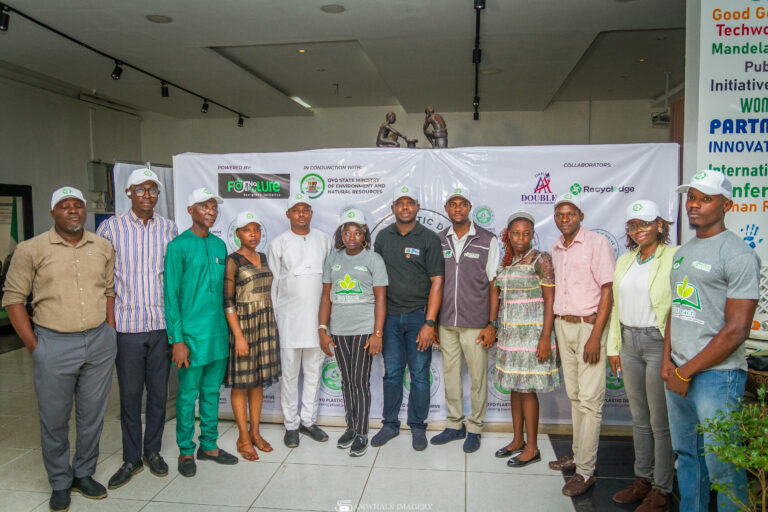
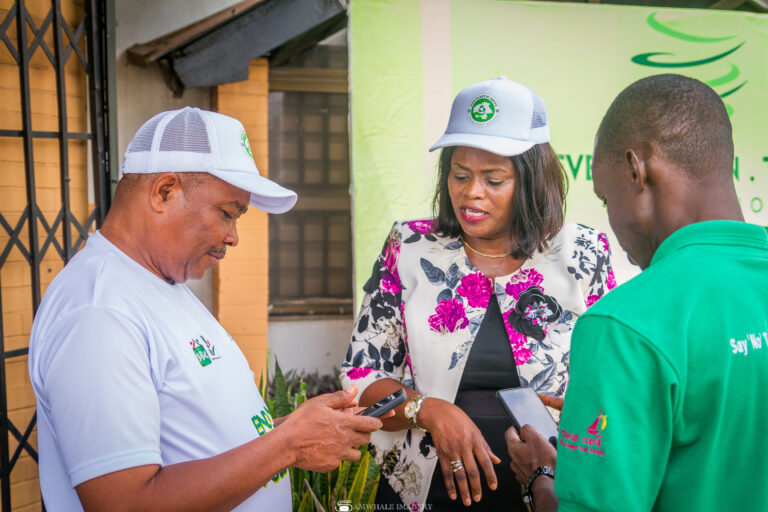
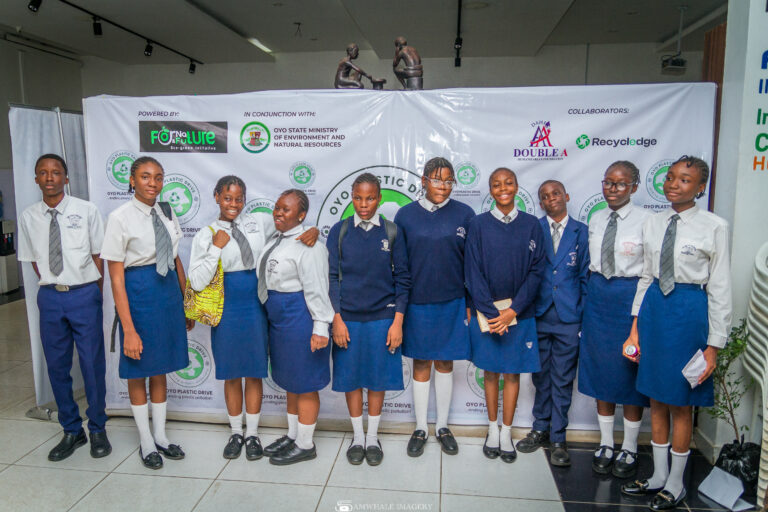
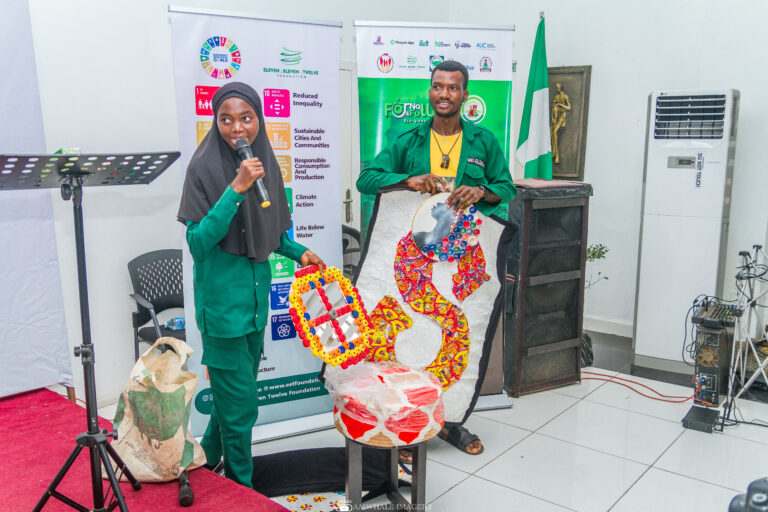
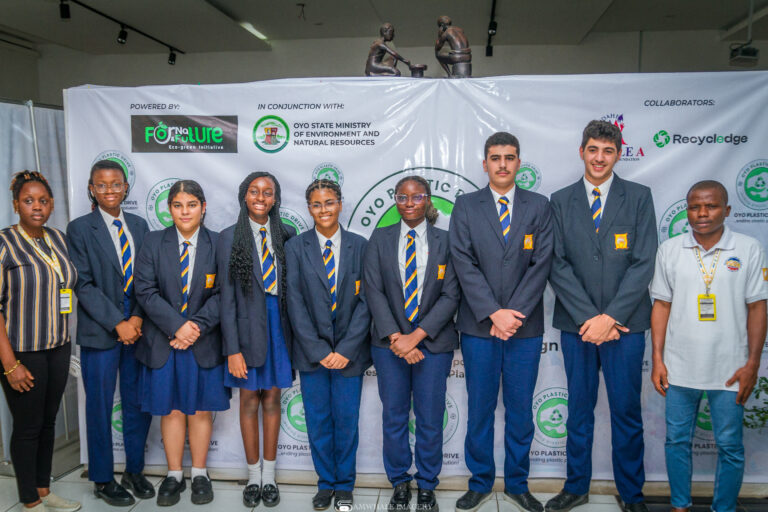
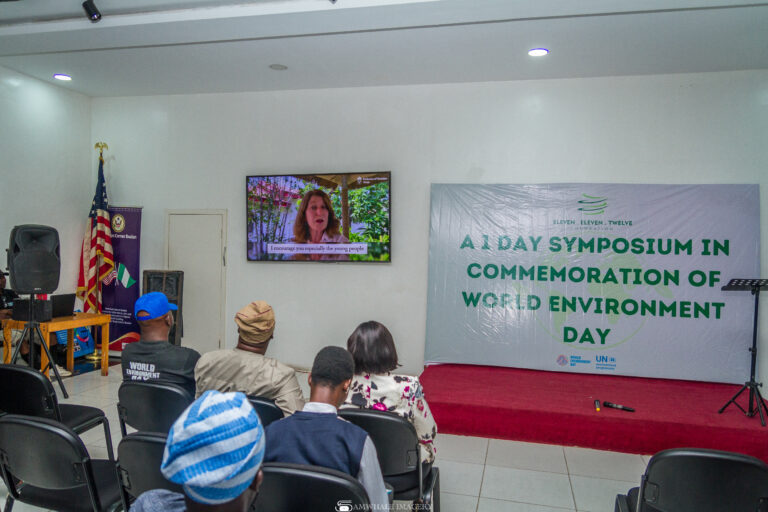
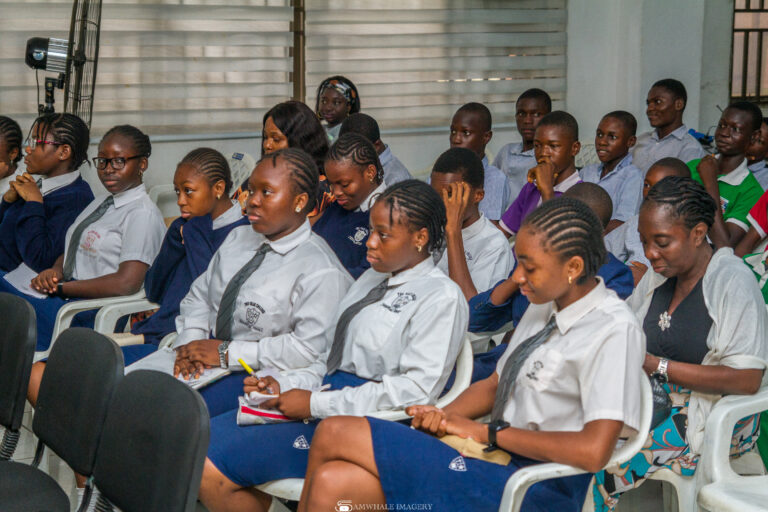
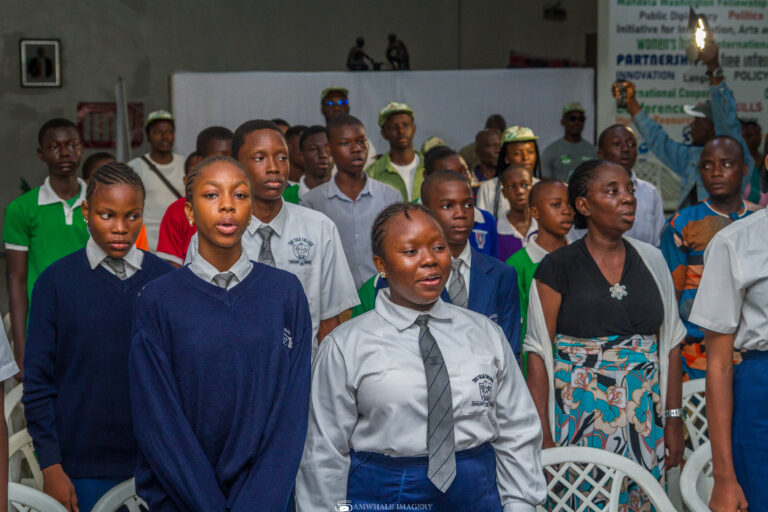
The Green Continuum: Plastic Edition Gallery


Featured Blogs/articles
Fashion Waste
Latest Stories & Research
How can we help you?
Contact us at Eleven Eleven Twelve Foundation (EETF) to Volunteer and Donate.