Plastic pollution is more than a waste-disposal issue. It is connected to the products we use, the food we consume, the way businesses operate, and the policies that shape our environment. Responding to it calls for informed choices, practical alternatives, and shared responsibility.
To explore these issues, the Eleven Eleven Twelve Foundation (EETF) organised the Green Webinar Series 2025, a four-week virtual dialogue held on 4, 11, 18, and 25 September. Under the theme “The Plastic Volution: Habits, Systems and Effects,” environmental advocates, industry professionals, and sustainability practitioners discussed plastic pollution and solutions relevant to people, businesses, and communities across Africa.
Four Weeks of Conversations
Week 1: The Plastic We Don’t See — Understanding Microplastics and Everyday Exposure
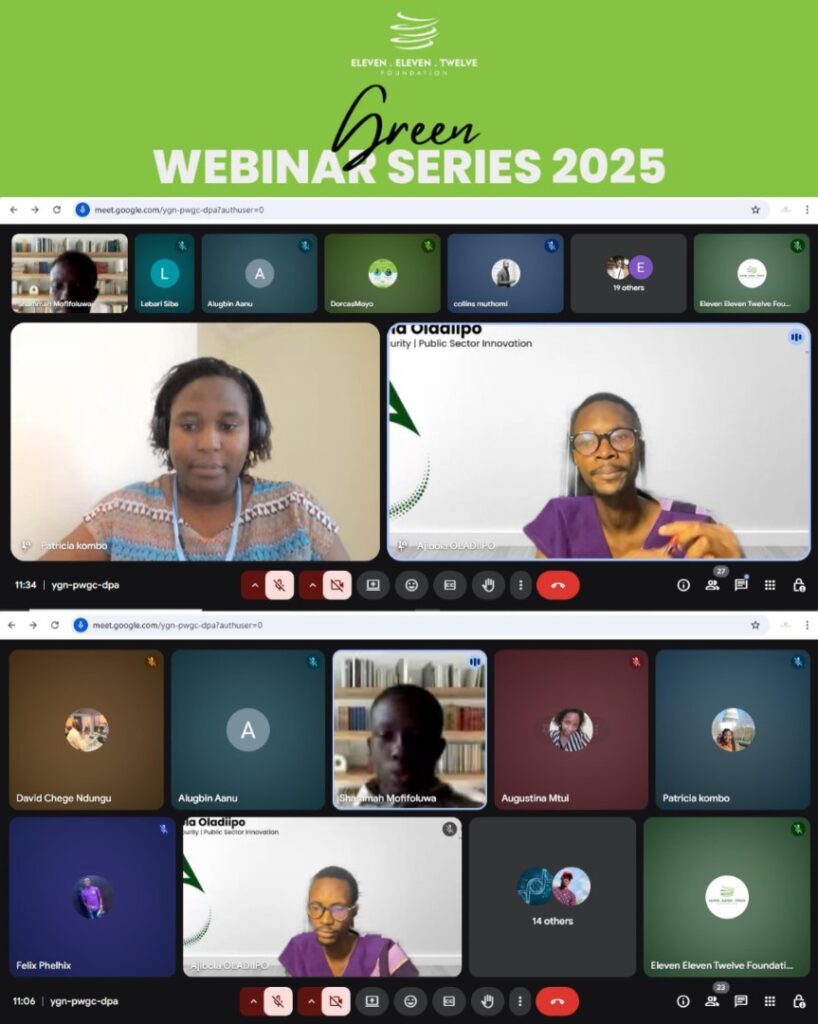
Ajibola Oladiipo and Patricia Kombo examined how microplastics can enter everyday life through food, water, and the air we breathe. The discussion highlighted the importance of understanding these often-invisible pollutants and taking informed steps to reduce exposure. It also pointed to the need for more African-led research on local environments and public health.
Week 2: The Alternative? Exploring Eco-friendly Substitutes for Daily Use
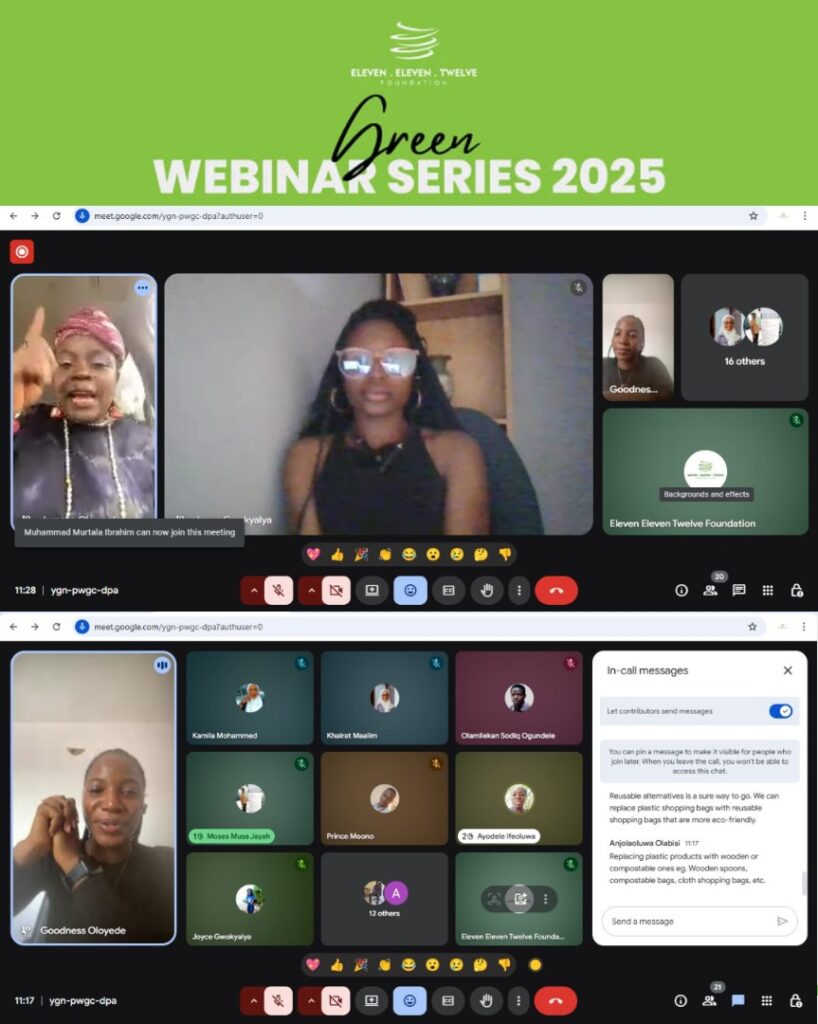
Jumoke Olowookere and Joyce Gwokyalya explored alternatives to single-use plastics, including reusable systems and biodegradable packaging. The conversation considered affordability, accessibility, and the challenge of scaling sustainable alternatives across African markets. Speakers also discussed the value of everyday practices and local innovation.
Week 3: Power in Packaging — Innovation and Brand Responsibility in the Fight Against Waste
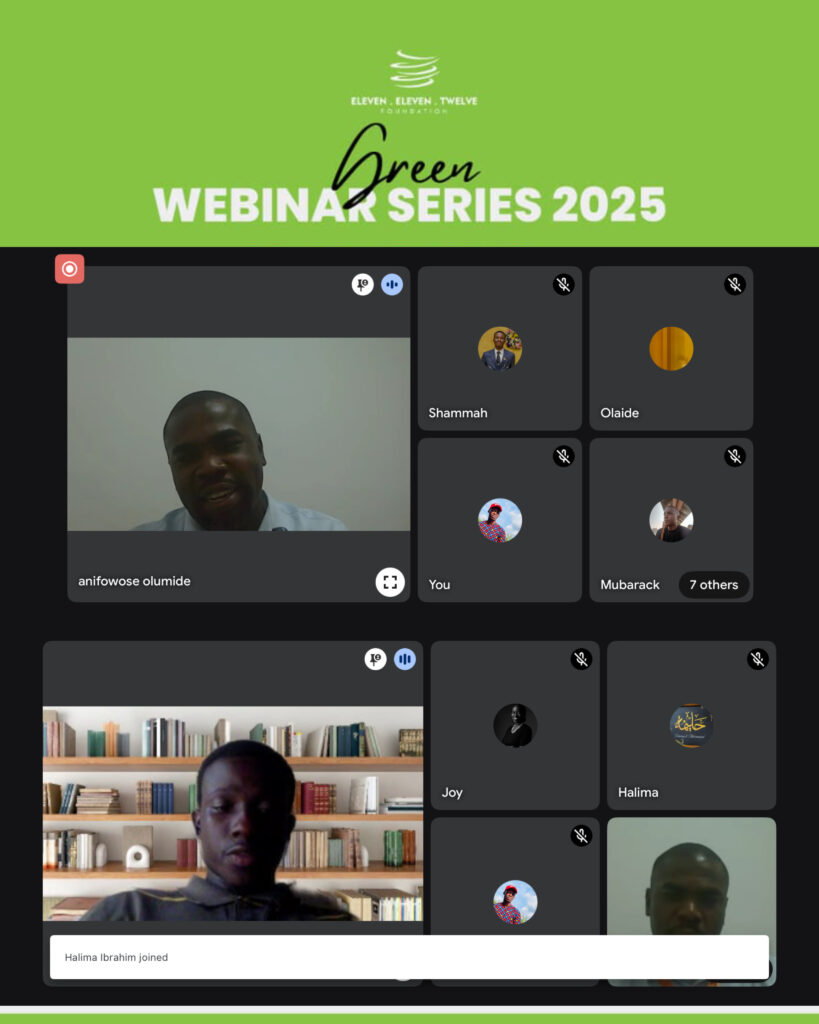
Olumide Anifowose, Plant Manager at CWAY Group, examined how businesses and industries can reduce plastic waste. Using CWAY as a case study, the session explored packaging innovation, refill systems, consumer awareness, and extended producer responsibility.
Week 4: Policy, People, Pollution and Profit — Whose Job Is It, Really?
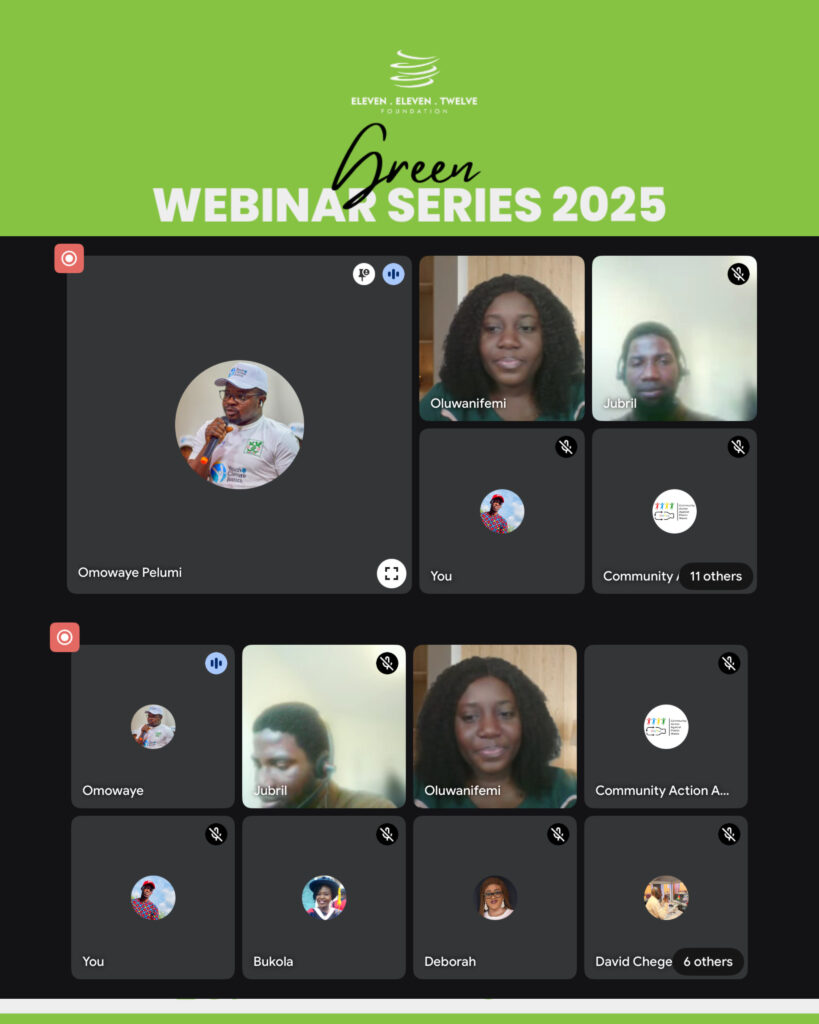
The final session featured Jubril Adigun of CAPws and Omowaye Pelumi of Ecocykle. The discussion focused on policy enforcement, greenwashing, corporate responsibility, and the role of individuals in addressing plastic pollution. It also highlighted how effective plastic waste management can create jobs and support innovation.
Participation and Key Outcomes
The four-week series recorded 113 registrations and 89 unique participants, with an average attendance of more than 25 people per session. Participants joined from Nigeria, Kenya, South Africa, Rwanda, Zambia, Malawi, Sierra Leone, Tanzania, Cameroon, and other countries. Four hosts and seven panelists contributed to the programme.
The sessions connected participants with experts and practitioners, encouraged young people and students to engage with industry professionals, and strengthened the visibility of partner organisations, including CAPws, Ecocykle, and CWAY. EETF also extended the conversations through weekly publicity, speaker features, social media highlights, and Certificates of Appreciation for participating panelists.
Why It Mattered
The Green Webinar Series 2025 reinforced that addressing plastic pollution cannot be left to individuals, businesses, or governments alone. Progress depends on cooperation, effective policies, responsible production, accessible alternatives, and informed public participation.
Through initiatives like this, EETF continues to create platforms for environmental education, knowledge-sharing, and collaboration, bringing African voices into conversations that can help shape more sustainable communities and systems.
Green Webinar Series 2025 Gallery